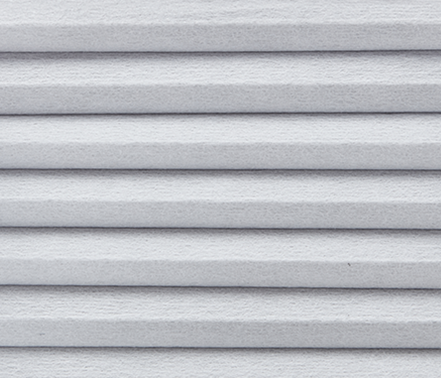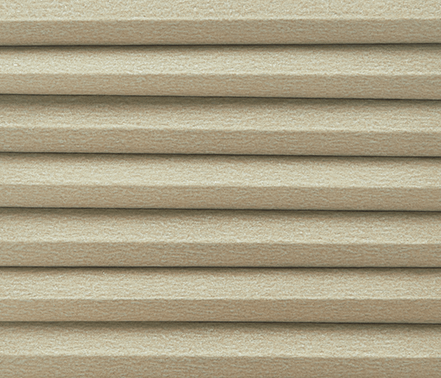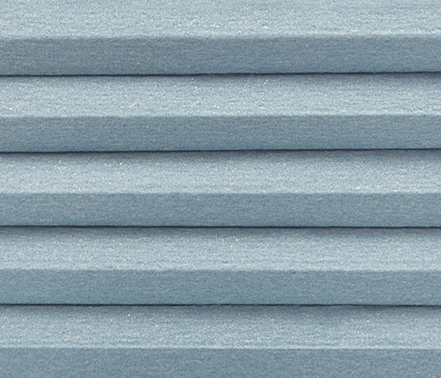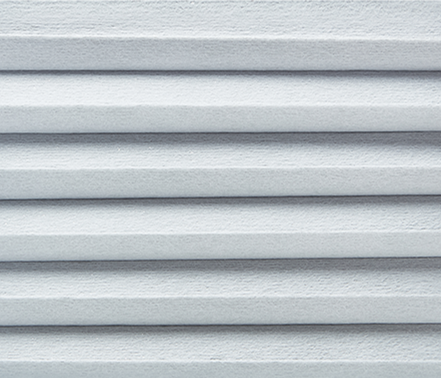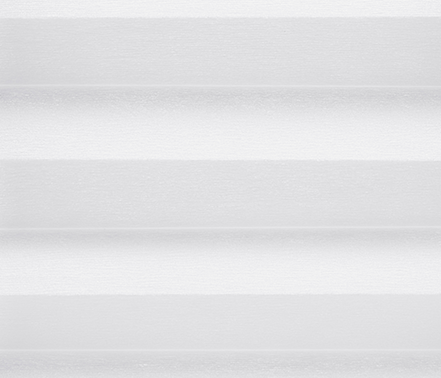
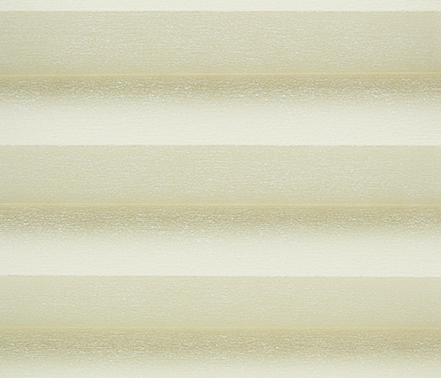
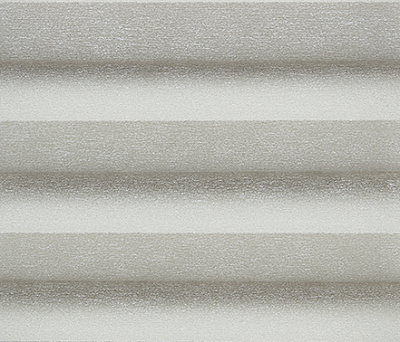
Looking for honeycomb blinds fabric built for larger windows? Our 45mm non-woven cellular shade fabric is available in single cell, cell-in-cell (double cell), side-by-side double cell, and pleated structures. The larger cell size traps more still air per layer than 25mm or 38mm fabric, giving stronger insulation and a bolder profile for oversized or commercial windows. Below you'll find full specifications, structural comparisons, application guidance, and answers to the questions buyers ask most.
| Item | Specification |
|---|---|
| Material | Spunlace non-woven fabric / polyester fiber blend |
| Cell Size | 45mm (also available in 25mm, 38mm on request) |
| Structure Types | Single Cell, Cell-in-Cell (Double Cell), Side-by-Side Double Cell, Pleated (Accordion) |
| Light Control | Blackout (foil-backed, 99%+ light blocking) / Semi-blackout / Light-filtering sheer |
| Width Range | Custom cut, up to 3600mm (site-dependent) |
| Height Range | Custom cut, up to 3600mm (site-dependent) |
| Fire Rating | Available to EN 13501-1 / ASTM E 648 / GB 8624 |
| Colorfastness | Grade 4+ under international standard (ISO 105 / AATCC 16 / GB/T 8427) |
| Environmental Compliance | OEKO-TEX 100 / CPSIA / GB 31701 available |
| Operation Systems | Cordless, top-down bottom-up, day & night dual fabric, motorized |
Cell size determines how much still air the honeycomb structure can hold. At 45mm, each cell traps a thicker layer of air than smaller sizes, which is why this size is often specified for large glazing, commercial glass walls, and windows where insulation performance matters more than a slim retracted profile.
Higher insulation per layer: The larger air pocket reduces heat transfer more effectively than 25mm or 38mm fabric of the same structure type.
Better fit for oversized windows: Fewer, larger cells mean less total fabric weight relative to coverage area, helping the shade retract cleanly even at wide spans.
Noise reduction: The deeper hollow cells absorb more sound than smaller cell sizes, useful for street-facing or commercial glazing.
Crease memory: High-temperature heat-setting during manufacturing keeps the larger folds sharp and evenly spaced through repeated raise-lower cycles.
Lightweight and stable: Non-woven and polyester fiber construction keeps the fabric light enough for smooth motorized or cordless operation despite the larger cell size.
The same four structural options available in smaller cell sizes are also offered at 45mm, each suited to different performance priorities at a larger scale.
| Structure | Description | Best For |
|---|---|---|
| Single Cell | One row of hexagonal cells; slim profile, lower cost | Large residential windows on a moderate budget |
| Cell-in-Cell (Double Cell) | A smaller cell nested inside a larger cell, doubling the insulating air pockets | Commercial glazing and climates with high heating/cooling demand |
| Side-by-Side Double Cell | Two cells placed adjacently rather than nested, adding rigidity and depth | Extra-wide windows needing maximum structural stability |
| Pleated | Simple accordion fold without a hollow cell; flatter, more compact stack | Large skylights and shaped windows with limited headrail depth |
If you're specifying 45mm fabric for a large-window or commercial project and aren't sure which structure to pick, send us your window dimensions and target light control level — we'll recommend a configuration and follow up with fabric samples within 24 hours.
Larger cells put more stress on the fabric during repeated use, so quality control matters even more at 45mm. Four factors separate premium fabric from fabric that sags, fades, or delaminates within a year:
Crease consistency: Premium fabric maintains sharp, evenly spaced folds after tens of thousands of raise-lower cycles, thanks to precise heat-setting temperature and dwell time calibrated for the larger cell depth. Lower-grade fabric goes "soft" and the pleat spacing becomes uneven.
Fiber uniformity: Spunlace non-woven fabric should show no visible cloudy patches or fiber clumping under backlighting, even across the wider surface area of a 45mm cell.
Laminate bond strength: For blackout fabric, the foil layer must remain fully bonded to the non-woven base even under prolonged direct sun exposure. Poor lamination leads to bubbling or delamination in hot climates, and the larger surface area of each cell makes this more visible if it occurs.
Edge finishing: Cut edges should be clean, with no fraying or loose threads. For large-format shades, fabric stiffness (body) determines whether the panel stays flat or curls at the sides ("cupping").
We test and certify honeycomb fabric against the major international benchmarks so buyers can match documentation to their target market's regulatory requirements.
| Test Type | EU Standard | US Standard | China Standard |
|---|---|---|---|
| Tensile Strength | ISO 13934 | ASTM D5034 | GB/T 3923 |
| Colorfastness | ISO 105 | AATCC 16 | GB/T 8427 |
| Flame Retardancy | EN 13501-1 | ASTM E 648 | GB 8624 |
| Environmental / Chemical Safety | OEKO-TEX 100 | CPSIA | GB 31701 |
Large residential windows: Floor-to-ceiling windows and oversized glazing benefit from the stronger insulation of 45mm cell-in-cell or side-by-side fabric.
Commercial and office buildings: Curtain-wall glazing and large storefronts use 45mm fabric to manage solar heat gain without adding excessive weight to motorized systems.
Hospitality (hotels, conference centers): Large-format blackout fabric with strong crease memory holds up under frequent motorized operation in banquet and meeting spaces.
Skylights and atriums: Pleated 45mm structure's flatter stack height suits large angled or shaped glazing where a bulkier cellular structure won't retract cleanly.
Industrial and warehouse glazing: Side-by-side double cell fabric's added rigidity helps it perform on very wide window spans without sagging.
Need fabric samples for a large-window or commercial project? Tell us your target market, cell size preference, and whether you need blackout or light-filtering fabric, and we'll send technical datasheets and physical swatches within 24 hours.
It refers to the width of each hexagonal cell when the shade is fully closed. At 45mm, this is the largest standard cell size we offer, giving the highest insulation per layer among our honeycomb fabrics.
45mm cells trap more air and insulate slightly better, and are typically specified for large or commercial windows. 38mm is a common middle-ground size for standard residential windows where a smaller stack height is preferred when the shade is raised.
Cell-in-cell typically insulates slightly better because the nested cell creates two separate air pockets in the same depth. Side-by-side prioritizes structural rigidity for larger window spans, with insulation performance close behind.
Our foil-backed blackout fabric is tested for laminate bond strength under extended heat exposure to prevent bubbling or delamination. We recommend checking the colorfastness grade (4+ under ISO 105/AATCC 16/GB/T 8427) for your specific climate.
Yes. We offer fabric certified to EN 13501-1, ASTM E 648, or GB 8624, depending on the fire code requirements of your target market.
Fabric with a colorfastness rating of Grade 4 or higher under international standards resists visible fading under normal sun exposure. We can provide test reports for your due diligence.
MOQs vary by structure type and fabric treatment (blackout vs light-filtering). Contact us with your target volume and we'll confirm feasible MOQs and lead times.
Yes, all four structure types are compatible with motorized headrails, provided the fabric weight and width fall within the motor's load rating. Larger 45mm panels are often motorized by default given their size — let us know your motor specification and we can confirm compatibility.
Full blackout (foil-backed) suits bedrooms, media rooms, and any space needing near-total light exclusion. Semi-blackout suits living areas and offices where you want to reduce glare and heat while retaining ambient daylight.
Have a specific large-window or commercial project in mind? Message us your cell size, structure preference, and target fire/environmental standard, and we'll follow up with a quote and sample fabric within 24 hours.



 English