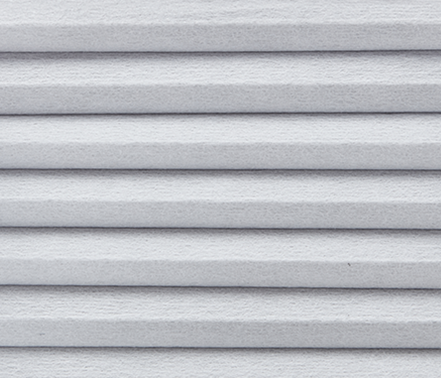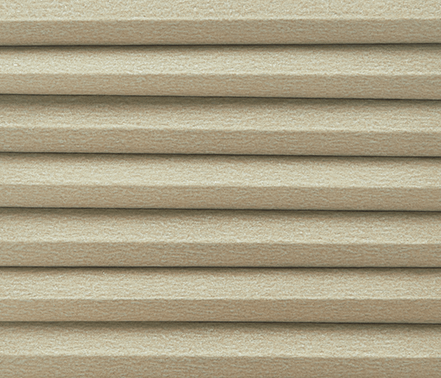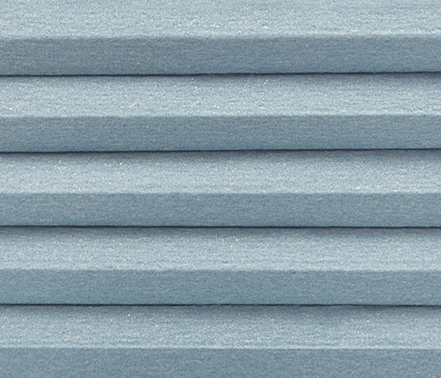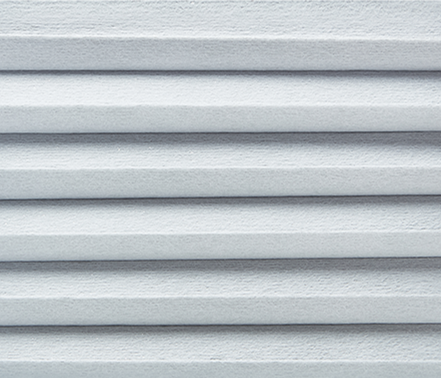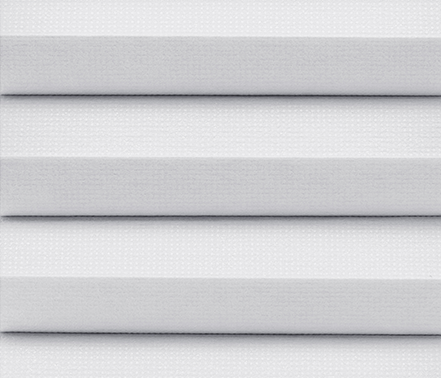
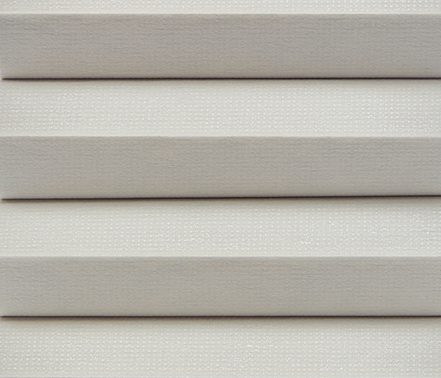
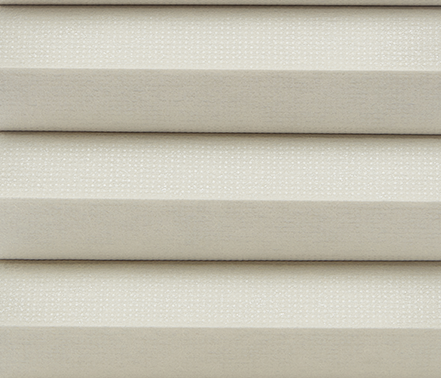
Looking for a reliable honeycomb blinds fabric supplier? Our 38mm non-woven cellular shade fabric is available in single cell, cell-in-cell (double cell), side-by-side double cell, and pleated structures, engineered for thermal insulation, light control, and long-term crease retention. Below you'll find full specifications, structural comparisons, application guidance, and answers to the questions buyers ask most.
| Item | Specification |
|---|---|
| Material | Spunlace non-woven fabric / polyester fiber blend |
| Cell Size | 38mm (also available in 25mm, 45mm on request) |
| Structure Types | Single Cell, Cell-in-Cell (Double Cell), Side-by-Side Double Cell, Pleated (Accordion) |
| Light Control | Blackout (foil-backed, 99%+ light blocking) / Semi-blackout / Light-filtering sheer |
| Width Range | Custom cut, up to 3000mm (site-dependent) |
| Height Range | Custom cut, up to 3000mm (site-dependent) |
| Fire Rating | Available to EN 13501-1 / ASTM E 648 / GB 8624 |
| Colorfastness | Grade 4+ under international standard (ISO 105 / AATCC 16 / GB/T 8427) |
| Environmental Compliance | OEKO-TEX 100 / CPSIA / GB 31701 available |
| Operation Systems | Cordless, top-down bottom-up, day & night dual fabric, motorized |
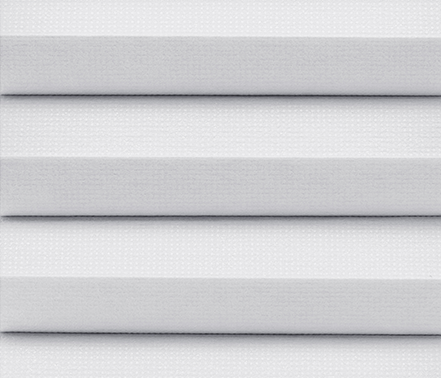
The defining feature of honeycomb (cellular) blinds is the hollow hexagonal cell that runs the length of the fabric. This cell traps a layer of still air between the window and the room, acting as a natural insulating barrier.
Thermal insulation: The trapped air layer reduces heat transfer through the window, keeping interiors cooler in summer and warmer in winter, which lowers HVAC energy consumption.
Light control & privacy: Blackout variants use a foil-laminated inner layer to block over 99% of light, while semi-blackout options filter harsh sun while keeping the room bright.
Noise reduction: The hollow cells absorb sound waves, reducing outdoor noise transmission compared to flat roller or Roman shade fabrics.
Crease memory: High-temperature heat-setting during manufacturing locks the pleats in place, so the fabric holds sharp, even folds through tens of thousands of open-close cycles.
Lightweight and stable: Non-woven and polyester fiber construction keeps the shade light enough for smooth cordless operation while resisting sagging or bowing over time.
Different honeycomb structures are suited to different performance priorities. Buyers sourcing for specific climates or price points should match the structure to the end use.
| Structure | Description | Best For |
|---|---|---|
| Single Cell | One row of hexagonal cells; slim profile, lower cost | Standard residential windows, budget-conscious projects |
| Cell-in-Cell (Double Cell) | A smaller cell nested inside a larger cell, doubling the insulating air pockets | Climates with high heating/cooling demand, premium residential |
| Side-by-Side Double Cell | Two cells placed adjacently rather than nested, adding rigidity and depth | Larger windows needing extra structural stability |
| Pleated | Simple accordion fold without a hollow cell; flatter, more compact stack | Skylights, shaped windows, compact headrail installations |
If you're specifying for a project and unsure which structure fits your climate zone or window size, our team can recommend the right configuration based on your R-value and budget targets — send us your window dimensions and target light control level, and we'll reply with fabric samples within 24 hours.
Not all honeycomb fabric performs the same after installation. Four factors separate premium fabric from fabric that sags, fades, or delaminates within a year:
Crease consistency: Premium fabric maintains sharp, evenly spaced folds after tens of thousands of raise-lower cycles, thanks to precise heat-setting temperature and dwell time during production. Lower-grade fabric goes "soft" and the pleat spacing becomes uneven.
Fiber uniformity: Spunlace non-woven fabric should show no visible cloudy patches or fiber clumping under backlighting. Uneven fiber distribution causes patchy light transmission.
Laminate bond strength: For blackout fabric, the foil layer must remain fully bonded to the non-woven base even under prolonged direct sun exposure. Poor lamination leads to bubbling or delamination in hot climates.
Edge finishing: Cut edges should be clean, with no fraying or loose threads. For large-format shades, fabric stiffness (body) determines whether the panel stays flat or curls at the sides ("cupping").
We test and certify honeycomb fabric against the major international benchmarks so buyers can match documentation to their target market's regulatory requirements.
| Test Type | EU Standard | US Standard | China Standard |
|---|---|---|---|
| Tensile Strength | ISO 13934 | ASTM D5034 | GB/T 3923 |
| Colorfastness | ISO 105 | AATCC 16 | GB/T 8427 |
| Flame Retardancy | EN 13501-1 | ASTM E 648 | GB 8624 |
| Environmental / Chemical Safety | OEKO-TEX 100 | CPSIA | GB 31701 |
Residential windows: Bedrooms and living rooms benefit from blackout cell-in-cell fabric for energy savings and sleep-friendly darkness; day & night dual-fabric systems suit rooms needing flexible privacy throughout the day.
Offices and commercial interiors: Light-filtering single cell or side-by-side fabric reduces glare on screens while maintaining natural daylight, and top-down bottom-up operation balances privacy with view access.
Hospitality (hotels, serviced apartments): Blackout fabric with strong crease memory withstands frequent guest operation and repeated cleaning cycles without losing shape.
Healthcare facilities: Antistatic, easy-to-clean fabric surfaces reduce dust accumulation, an important factor for clinics and patient rooms.
Skylights and shaped windows: Pleated structure's flatter stack height suits angled or irregular window frames where a bulkier cellular structure won't retract cleanly.
Need fabric samples for a specific project? Tell us your target market, cell size preference, and whether you need blackout or light-filtering fabric, and we'll send technical datasheets and physical swatches within 24 hours.
It refers to the width of each hexagonal cell when the shade is fully closed. Larger cells (38mm+) provide slightly better insulation per layer, while smaller cells give a more compact stack height when raised.
Cell-in-cell typically insulates slightly better because the nested cell creates two separate air pockets in the same depth. Side-by-side prioritizes structural rigidity for larger window spans, with insulation performance close behind.
Our foil-backed blackout fabric is tested for laminate bond strength under extended heat exposure to prevent bubbling or delamination. We recommend checking the colorfastness grade (4+ under ISO 105/AATCC 16/GB/T 8427) for your specific climate.
Yes. We offer fabric certified to EN 13501-1, ASTM E 648, or GB 8624, depending on the fire code requirements of your target market.
Fabric with a colorfastness rating of Grade 4 or higher under international standards resists visible fading under normal sun exposure. We can provide test reports for your due diligence.
MOQs vary by structure type and fabric treatment (blackout vs light-filtering). Contact us with your target volume and we'll confirm feasible MOQs and lead times.
Yes, all four structure types are compatible with motorized headrails, provided the fabric weight and width fall within the motor's load rating. Let us know your motor specification and we can confirm compatibility.
Full blackout (foil-backed) suits bedrooms, media rooms, and any space needing near-total light exclusion. Semi-blackout suits living areas and offices where you want to reduce glare and heat while retaining ambient daylight.
Have a specific project spec in mind? Message us your cell size, structure preference, and target fire/environmental standard, and we'll follow up with a quote and sample fabric within 24 hours.



 English