


 English
Choosing the right window covering material is an important decision for both residential and commercial projects.A suitable blind fabric not only affects the appearance of a space but also influences energy efficiency,privacy,lighting control,and long-term comfort.
Among various window treatment materials,honeycomb blinds fabric has gained popularity due to its unique cellular structure and excellent functional performance.However,with different fabric types,cell sizes,transparency levels,and coating options available,many buyers may feel uncertain about which option is the best choice for their project.
Whether you are designing a modern home,upgrading an office building,or sourcing window covering solutions for a large commercial project,understanding how to select the right cellular blinds fabric can help you achieve better performance and value.
This guide explains the key factors to consider when choosing honeycomb blinds fabric,including material,insulation performance,light control,application requirements,and customization options.
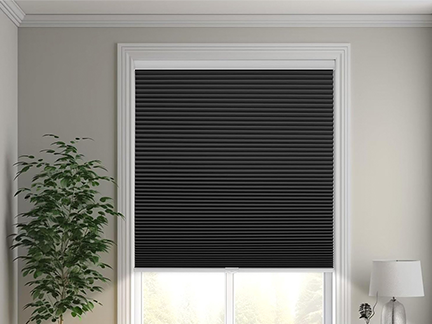
What Is Honeycomb Blinds Fabric?
Honeycomb blinds fabric is a specialized window covering material designed with a cellular structure.The fabric is formed by connecting layers of textile to create multiple air-filled honeycomb-shaped chambers.
These cells work as insulation barriers by trapping air between the window and the indoor environment.The structure helps reduce heat transfer,improve temperature control,and increase indoor comfort.
Unlike traditional flat fabrics,honeycomb shade material combines decorative functions with practical benefits,making it suitable for modern window covering applications.
Common materials include:
Polyester honeycomb fabric
Polyester blends
Coated functional fabrics
Depending on the manufacturing process,honeycomb blinds fabric can be customized with different features such as:
Blackout performance
UV protection
Heat reflection
Light filtering capability
Different colors and textures
Why Choosing the Right Honeycomb Blinds Fabric Matters
Different projects have different requirements.A fabric that works well for a bedroom may not be the best option for an office building or hotel.
The right honeycomb blinds fabric can provide:
Better Energy Efficiency
Windows are one of the main areas where heat enters and escapes.High-quality cellular structures help reduce heat transfer and improve indoor temperature stability.
Improved Comfort
The right fabric helps control sunlight,glare,and indoor temperature,creating a more comfortable environment.
Longer Service Life
Selecting suitable materials ensures better durability and resistance to daily use.
Better Interior Appearance
Colors,textures,and transparency levels influence the overall style of the space.
Therefore,fabric selection should be based on both functional and aesthetic requirements.
1.Consider the Fabric Material Quality
The first factor to consider is the material composition.
Polyester Honeycomb Fabric
Most honeycomb blinds fabric is made from polyester because it offers excellent durability and stability.
Advantages include:
Strong resistance to deformation
Good color retention
Easy maintenance
Lightweight structure
Long service life
For most residential and commercial applications,high-quality polyester honeycomb fabric provides a good balance between performance and cost.
Coated Honeycomb Fabric
Some projects require additional functions,so manufacturers may apply special coatings.
Blackout Coating
A blackout layer blocks external light and improves privacy.
Suitable for:
Bedrooms
Hotels
Conference rooms
Home theaters
Reflective Coating
Reflective surfaces help reduce solar heat gain,making them useful in hot climates.
UV Protection Coating
UV-resistant fabrics help protect furniture,flooring,and interior decorations from fading.
When selecting honeycomb shade material,buyers should consider whether additional coatings are necessary for the project environment.
2.Choose the Right Cell Size
One of the most important features of honeycomb blinds is the cell structure.
Common options include:
16mm honeycomb blinds fabric
25mm honeycomb blinds fabric
Larger cellular structures
The cell size affects both appearance and performance.
Small Cell Honeycomb Fabric
Smaller cells provide:
Slim appearance
More delicate visual effect
Better suitability for smaller windows
They are commonly used in:
Apartments
Bedrooms
Small offices
Large Cell Honeycomb Fabric
Larger cells provide:
Stronger visual impact
Better insulation performance
Suitable coverage for larger windows
They are commonly used in:
Villas
Hotels
Commercial buildings
The choice depends on window size,design requirements,and insulation expectations.
3.Select the Appropriate Light Control Level
Different spaces require different levels of sunlight control.
Light Filtering Shades
Light filtering honeycomb fabric allows soft natural light to enter while reducing glare.
Benefits:
Creates a comfortable atmosphere
Maintains daylight
Protects indoor privacy
Recommended for:
Living rooms
Dining rooms
Offices
Blackout Honeycomb Blinds
For spaces requiring darkness and maximum privacy,blackout options are more suitable.
Advantages:
Blocks strong sunlight
Improves sleeping conditions
Provides better privacy
Common applications:
Bedrooms
Hotels
Media rooms
Choosing between light filtering and blackout fabrics depends on how much natural light the space requires.
4.Consider Thermal Insulation Requirements
One of the main reasons customers choose honeycomb blinds is their insulation capability.
The cellular structure creates air pockets that slow down heat transfer,making honeycomb blinds a popular choice for energy efficient window shades.
When choosing fabric for thermal performance,consider:
Climate Conditions
For hot regions:
Choose fabrics with heat-reflective coatings
Consider stronger solar protection
For cold regions:
Choose thicker cellular structures
Prioritize insulation performance
Window Orientation
South-facing or large glass windows usually require better insulation and light control.
For energy-conscious buildings,selecting high-performance thermal insulation blinds can help improve indoor comfort and reduce energy consumption.
5.Match the Fabric With the Application Area
The best honeycomb blinds fabric depends on where it will be installed.
Residential Projects
For homes,consider:
Bedrooms
Recommended:
Blackout honeycomb blinds
High privacy fabrics
Living Rooms
Recommended:
Light filtering shades
Decorative colors and textures
Home Offices
Recommended:
Anti-glare fabrics
Moderate light control
Office Buildings
Office environments usually require:
Reduced screen glare
Professional appearance
Temperature control
Honeycomb blinds fabric can help create a comfortable working environment while improving building energy efficiency.
Hotels and Hospitality Projects
Hotels often require both appearance and functionality.
Recommended features:
Blackout capability
Easy maintenance
Elegant fabric appearance
Reliable durability
High-quality honeycomb shades can improve guest comfort and overall room experience.
6.Consider Customization Options
Different projects may require different specifications.
Many suppliers provide custom honeycomb blinds based on customer requirements.
Customization options may include:
Fabric color
Cell size
Light transmission level
Blackout level
Width and height
Special coatings
For large-scale projects,working with an experienced manufacturer can help ensure the fabric meets specific design and performance requirements.
7.Evaluate Fabric Maintenance and Durability
Window coverings are exposed to sunlight,dust,and daily operation,so durability is important.
A high-quality honeycomb blinds fabric should have:
Stable structure
Good resistance to fading
Easy cleaning properties
Long-term shape retention
Regular maintenance usually only requires:
Dust removal with a soft brush
Gentle cleaning when necessary
Avoiding excessive moisture
Proper care can significantly extend the service life of honeycomb shades.
Honeycomb Blinds Fabric Selection Checklist
Before purchasing,consider the following questions:
What is the main purpose:decoration,insulation,privacy,or light control?
Is the installation area residential or commercial?
Does the space require blackout performance?
What climate conditions will the blinds face?
What cell size is suitable for the window?
Is customization required?
Does the fabric match the interior design?
Answering these questions can help you select the most suitable window covering solution.
FAQ
Q1:What is the best material for honeycomb blinds fabric?
High-quality polyester is the most commonly used material because it provides durability,stability,and excellent performance.
Q2:Which honeycomb blinds fabric is best for bedrooms?
Blackout honeycomb blinds are usually the best choice for bedrooms because they provide privacy and reduce light exposure.
Q3:Are thicker honeycomb blinds better for insulation?
Generally,larger cellular structures can provide better insulation performance because they create larger air pockets.However,the best choice depends on the specific project requirements.
Q4:Can honeycomb blinds fabric be customized?
Yes.Manufacturers can customize colors,sizes,cell structures,and functional coatings according to project needs.
Q5:How do I clean honeycomb blinds fabric?
Most fabrics can be cleaned using a soft brush,vacuum cleaner with a low setting,or gentle wiping methods.