


 English
When choosing window coverings,many people focus on the appearance,color,and price.However,the fabric material behind the blinds plays a much more important role in determining performance,durability,and comfort.Among modern window treatment materials,honeycomb blinds fabric has become increasingly popular because of its unique structure,excellent insulation performance,and elegant appearance.
Unlike traditional curtains or standard roller blinds,honeycomb blinds are designed with a special cellular structure that creates air pockets inside the fabric.These air chambers help reduce heat transfer between indoor and outdoor environments,making them an ideal choice for homes,offices,hotels,and commercial buildings.
So,what exactly is honeycomb blinds fabric,and why is it widely used in modern window covering solutions?This article will explore its material composition,working principle,advantages,applications,and frequently asked questions.
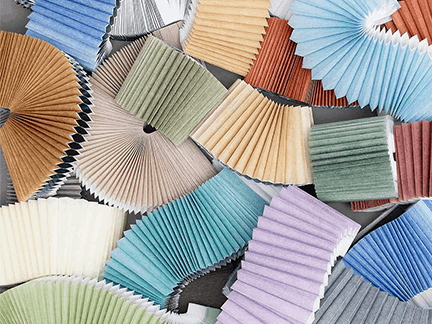
What Is Honeycomb Blinds Fabric?
Honeycomb blinds fabric is a specially engineered textile material used to manufacture honeycomb shades,also known as cellular shades.The fabric is constructed by bonding layers of fabric together to form a series of hexagonal air pockets,similar to the structure of a honeycomb.
These unique cells create an insulating barrier between the window and the interior space.The trapped air works as a natural buffer,helping maintain indoor temperatures by reducing heat loss during winter and preventing excessive heat from entering during summer.
Compared with conventional window coverings,honeycomb blinds fabric offers a combination of:
Thermal insulation
Light control
Energy efficiency
Noise reduction
Modern aesthetic appeal
Because of these advantages,it has become a preferred choice for residential and commercial window decoration projects.
What Materials Are Used for Honeycomb Blinds Fabric?
The quality and performance of honeycomb blinds largely depend on the materials used.Most cellular blinds fabric is manufactured from high-quality synthetic fibers,especially polyester.
1.Polyester Honeycomb Fabric
Polyester honeycomb fabric is the most commonly used material because polyester provides excellent durability,shape retention,and resistance to moisture.
Key advantages include:
Strong resistance to stretching and deformation
Easy maintenance and cleaning
Long service life
Stable performance under different temperatures
Wide range of colors and textures
Polyester is also suitable for advanced coating treatments,allowing manufacturers to produce different functional fabrics.
2.Coated Honeycomb Shade Material
Some honeycomb fabrics include special coatings to improve performance.Common treatments include:
Aluminum coating
An aluminum-coated layer can improve heat reflection and enhance thermal insulation.This type of fabric is often used in areas with strong sunlight exposure.
Blackout coating
A blackout layer blocks most incoming light,making it suitable for bedrooms,conference rooms,and media spaces.
UV protection coating
UV-resistant materials help reduce fading of furniture,flooring,and interior decorations caused by long-term sunlight exposure.
How Does Honeycomb Blinds Fabric Work?
The main feature that separates honeycomb blinds fabric from traditional materials is its cellular design.
Each honeycomb cell creates a small air chamber.When installed on a window,these air pockets act like insulation layers.
The structure helps:
Reduce heat transfer through glass
Maintain comfortable indoor temperatures
Improve energy efficiency
Reduce dependence on heating and cooling systems
For example,during summer,the fabric helps prevent outdoor heat from entering the room.During winter,it reduces the escape of indoor warmth through windows.
This makes honeycomb shades a practical choice for customers looking for energy efficient window shades.
Main Features of Honeycomb Blinds Fabric
1.Excellent Thermal Insulation Performance
One of the biggest advantages of honeycomb blinds fabric is its thermal insulation capability.
Windows are often one of the main areas where indoor heat escapes.The cellular structure creates an insulating barrier,helping improve indoor comfort.
For homes located in areas with hot summers or cold winters,thermal insulation blinds can significantly improve living conditions.
2.Effective Light Control
Honeycomb blinds fabric is available in different transparency levels,allowing users to control natural light according to their needs.
Common options include:
Light filtering shades
Light filtering fabrics allow soft sunlight to enter while reducing glare.They are suitable for living rooms,dining areas,and offices.
Blackout honeycomb blinds
Blackout honeycomb blinds are designed for maximum privacy and light blocking.They are commonly used in bedrooms,hotels,and meeting rooms.
3.Improved Privacy Protection
The special layered structure of honeycomb fabric makes it difficult to see through from outside.
This provides better privacy protection compared with traditional sheer curtains or ordinary blinds.
It is especially suitable for:
Bedrooms
Bathrooms
Ground-floor rooms
Office spaces
4.Noise Reduction Ability
Although honeycomb blinds fabric is not a complete soundproofing solution,its multi-layer structure can help absorb and reduce some external noise.
This makes it useful in:
Urban apartments
Offices near busy roads
Hotels
Meeting spaces
5.Modern and Minimalist Appearance
Besides functional benefits,honeycomb blinds fabric also provides a clean and stylish appearance.
Its simple structure matches various interior styles,including:
Modern homes
Scandinavian designs
Office interiors
Luxury hotels
Commercial buildings
The wide range of colors and textures allows designers to create personalized window decoration solutions.
Applications of Honeycomb Blinds Fabric
Due to its excellent performance,honeycomb blinds fabric is widely used in different environments.
1.Residential Buildings
In homes,honeycomb shades are commonly installed in:
Bedrooms
Living rooms
Kitchens
Home offices
Children's rooms
Homeowners choose them because they provide comfort,privacy,and energy savings while maintaining a clean interior style.
2.Hotels and Hospitality Projects
Hotels require window coverings that combine appearance and functionality.
Honeycomb blinds fabric is suitable for:
Guest rooms
Conference areas
Restaurants
Lounges
The insulation and light control features help create a comfortable experience for guests.
3.Office Buildings
Modern offices often require better light management and energy efficiency.
Honeycomb shades help:
Reduce screen glare
Improve workplace comfort
Create professional interiors
They are an ideal part of commercial window covering solutions.
4.Schools and Public Buildings
Schools,libraries,and public facilities can benefit from honeycomb blinds because they provide:
Easy operation
Light adjustment
Long-lasting performance
Low maintenance requirements
Honeycomb Blinds Fabric vs Traditional Blind Fabrics
Many customers compare honeycomb fabric with standard blind materials before making a purchase.
| Feature | Honeycomb Blinds Fabric | Traditional Blind Fabrics |
|---|---|---|
| Insulation | Excellent | Limited |
| Energy efficiency | High | Medium |
| Light control | Adjustable | Basic |
| Noise reduction | Better | Lower |
| Appearance | Modern cellular design | Traditional style |
| Maintenance | Easy | Depends on material |
The biggest advantage of honeycomb blinds fabric is its cellular structure,which provides functions beyond simple decoration.
How to Choose the Right Honeycomb Blinds Fabric?
Choosing the right fabric depends on the specific application.
Consider Light Requirements
For bedrooms or spaces requiring privacy,blackout fabrics are recommended.
For living rooms or offices,light filtering fabrics may provide a better balance between sunlight and privacy.
Consider Climate Conditions
In hot climates,fabrics with stronger heat reflection properties are preferred.
In colder areas,thicker cellular structures provide better insulation.
Consider Interior Design
Color,texture,and fabric style should match the overall decoration style.
Many suppliers also provide custom honeycomb blinds options,including customized colors,sizes,and fabric structures.
Why Choose Honeycomb Blinds Fabric for Modern Window Solutions?
As energy efficiency becomes increasingly important,homeowners and businesses are looking for smarter window covering products.
Honeycomb blinds fabric provides multiple benefits in one solution:
Decorative appearance
Temperature control
Privacy protection
Light management
Energy-saving performance
It is not simply a window decoration material but a functional product designed to improve indoor comfort.
For manufacturers,designers,and buyers searching for reliable window covering materials,honeycomb blinds fabric offers an excellent combination of technology and aesthetics.
FAQ
Q1:What is honeycomb blinds fabric made of?
Most honeycomb blinds fabric is made from durable polyester fibers.Some fabrics also include special coatings for blackout,UV protection,or heat reflection performance.
Q2:Are honeycomb blinds fabric energy efficient?
Yes.The cellular structure creates air pockets that help reduce heat transfer,making honeycomb blinds one of the most energy-efficient window covering options available.
Q3:Can honeycomb blinds block sunlight completely?
Yes.Blackout honeycomb blinds are designed to block most incoming light and provide enhanced privacy.
Q4:How long does honeycomb blinds fabric last?
With proper use and maintenance,high-quality honeycomb blinds fabric can provide many years of reliable performance.
Q5:Can honeycomb blinds fabric be customized?
Yes.Many manufacturers offer custom honeycomb blinds with different sizes,colors,transparency levels,and functional requirements.