


 English
Choosing the right cellular shade material is an important decision for window covering manufacturers, wholesalers, and distributors. The fabric directly affects the appearance, texture, light control, durability, and overall performance of finished honeycomb blinds.
Woven and Non-Woven Fabrics are two common material categories used in fabric cellular shades. Although both can be developed for cellular window coverings, they differ in how their fibers are structured and bonded. These differences influence their physical properties, production processes, and suitability for different product applications.
So, which option is better for fabric honeycomb blinds? This guide explains the differences between woven and non-woven cellular fabrics and highlights the key factors B2B buyers should consider when selecting Honeycomb Blinds Fabric.
1. What Is Woven Cellular Fabric?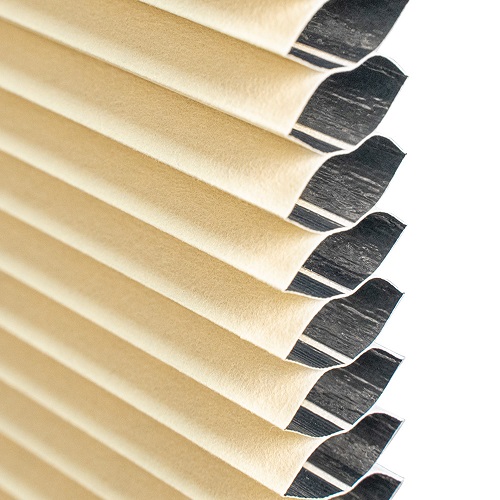
Woven cellular fabric is produced by interlacing two sets of yarns, commonly referred to as warp and weft yarns, at right angles. This weaving process creates an organized fabric structure with a defined surface texture and relatively stable construction.
For cellular shades, woven materials can be selected according to yarn type, density, thickness, and finishing requirements. The final properties depend on the fiber composition and weaving specifications.
Key Characteristics of Woven Cellular Fabric
Structured appearance: Interlaced yarns create a recognizable textile texture that can add visual detail to finished window coverings.
Material stability: Properly designed woven structures can provide good dimensional stability and resistance to deformation.
Texture variations: Different yarns and weaving patterns allow manufacturers to develop a range of surface finishes.
Design flexibility: Fabric appearance, density, color, and other specifications can be adjusted for different product collections.
Durability potential: Suitable yarn selection and fabric construction can support repeated operation and long-term use.
Common Applications
Woven cellular materials may be suitable for:
Premium residential honeycomb blinds
Decorative window covering collections
Custom fabric cellular shades
Commercial interior window treatments
Projects requiring specific fabric textures and appearances
2. What Is Non-Woven Cellular Fabric?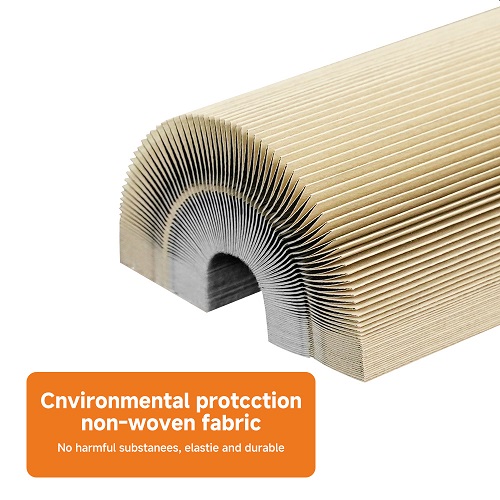
Non-woven cellular fabric is made by bonding or entangling fibers together rather than interlacing yarns through a traditional weaving process. Common manufacturing methods include thermal bonding, chemical bonding, and mechanical bonding.
Depending on the production process and fiber composition, non-woven materials can offer different levels of softness, flexibility, thickness, and strength. They are used in various technical and functional textile applications, including certain types of Honeycomb Blinds Fabric.
Key Characteristics of Non-Woven Cellular Fabric
Uniform material structure: Fibers are distributed and bonded to form a continuous sheet-like material.
Flexible manufacturing: Fiber composition, bonding methods, and material thickness can be adjusted to achieve different specifications.
Consistent surface: Many non-Woven Fabrics provide a relatively even appearance suitable for modern window covering designs.
Functional customization: Different treatments can be considered to meet specific requirements for light control, flame resistance, or other performance characteristics.
Production adaptability: Non-woven manufacturing processes can support different material specifications and production volumes.
Common Applications
Non-woven cellular materials may be used in:
Standard honeycomb blinds
Light-filtering cellular shades
Blackout cellular shade products
Commercial and residential window coverings
Large-volume wholesale window covering programs
3. Woven vs. Non-Woven Cellular Fabric: Key Differences
Both materials can be used in cellular window covering products, but their structures and manufacturing characteristics are different. The following comparison provides a practical overview for buyers evaluating cellular shade material.
| Comparison | Woven Cellular Fabric | Non-Woven Cellular Fabric |
|---|---|---|
| Manufacturing Process | Yarns are interlaced through weaving | Fibers are bonded or mechanically entangled |
| Material Structure | Organized yarn structure | Bonded fiber structure |
| Surface Appearance | Textured and textile-like | Often relatively uniform |
| Customization | Yarn, weave, color, and density | Fiber type, bonding, thickness, and finishing |
| Performance | Depends on yarn and weave construction | Depends on fiber composition and bonding method |
| Typical Positioning | Textured and design-oriented collections | Functional and specification-oriented collections |
Neither material is universally better. The right choice depends on the required appearance, fabric specifications, processing compatibility, target market, and budget. Buyers should evaluate actual samples and test results before making a final decision.
4. Which Cellular Fabric Is Better for Honeycomb Blinds?
When selecting fabric for honeycomb blinds, buyers should consider the intended application and performance requirements rather than choosing materials based only on whether they are woven or non-woven.
4.1 Consider Light Control Requirements
Light transmission is one of the most important factors in cellular shade production. Both woven and non-woven materials can be developed for different light control requirements, depending on their construction, density, coatings, and backing layers.
For blackout products, buyers should confirm the actual light-blocking performance of the finished material. For light-filtering products, fabric transparency and light diffusion should be evaluated through physical samples.
4.2 Evaluate Fabric Appearance and Texture
For premium residential collections, woven fabrics may be considered when a distinctive textile texture is required. Non-woven materials can be suitable when a more uniform appearance is preferred.
Color consistency, surface smoothness, and visual quality should also be checked across different production batches, particularly for large wholesale orders.
4.3 Check Durability and Dimensional Stability
Honeycomb blinds are raised and lowered repeatedly, so the fabric needs to maintain its shape during regular operation. Buyers should evaluate tensile strength, tear resistance, dimensional stability, and resistance to deformation.
These properties are influenced by material composition and manufacturing quality. A well-engineered non-woven fabric may perform better than a poorly constructed woven fabric, and vice versa.
4.4 Compare Processing Compatibility
Cellular fabric needs to be compatible with the production processes used to manufacture honeycomb blinds. Depending on the product design, these processes may include pleating, folding, bonding, cutting, and assembly.
Before purchasing materials in bulk, manufacturers should confirm that the selected fabric can maintain consistent cell shapes and dimensions throughout production.
4.5 Consider the Target Market and Budget
Different markets have different expectations regarding appearance, functionality, and product pricing. Residential brands may prioritize decorative textures and color options, while large-scale commercial projects may focus more on consistent specifications and supply stability.
Comparing the total material cost, processing efficiency, minimum order quantity, and expected production yield can help buyers make a more informed purchasing decision.
5. Important Specifications to Check When Buying Honeycomb Blinds Fabric
For window covering manufacturers, distributors, and wholesale buyers, evaluating detailed material specifications is essential before placing an order. The following factors can help ensure that the selected cellular shade material meets production requirements.
Fabric composition: Confirm the fiber or yarn materials used in the fabric and their relevant properties.
Fabric weight and thickness: Check whether the specifications are suitable for the intended cellular structure and finished blind design.
Fabric width: Confirm available widths to reduce unnecessary material waste during production.
Cell size: Select suitable honeycomb cell dimensions according to the product design and application.
Light transmission: Confirm whether the material meets blackout or light-filtering requirements.
Color consistency: Request samples and confirm color standards for repeat orders.
Special treatments: Check the availability of flame-retardant, waterproof, or other functional treatments where required.
Production compatibility: Test the material on existing pleating and assembly equipment before large-volume purchasing.
6. Why Choose a Professional Cellular Fabric Manufacturer?
For B2B buyers, working with a professional cellular fabric manufacturer can help improve material consistency, production efficiency, and product development flexibility.
When evaluating potential suppliers, consider the following capabilities:
Stable Manufacturing Capacity
Reliable production capacity helps suppliers handle repeat orders and large-volume wholesale requirements. Buyers should evaluate manufacturing equipment, production lines, quality control procedures, and delivery schedules.
OEM and ODM Customization
Customization capabilities allow window covering brands to develop differentiated product collections. Depending on the manufacturer's production capabilities, customization may include fabric composition, colors, cell sizes, fabric widths, and functional treatments.
Quality Control and Testing
Professional quality management should cover raw material inspection, production monitoring, finished fabric inspection, and batch consistency. Buyers should also request relevant test reports when specific performance standards are required.
Sample and Technical Support
Fabric samples help buyers evaluate texture, thickness, flexibility, color, and processing performance before confirming an order. Technical support is also important when developing new fabric specifications or adapting materials to different honeycomb blind systems.
7. Frequently Asked Questions About Cellular Shade Material
Q1: Is woven or non-woven fabric better for honeycomb blinds?
Neither is automatically better. Woven fabrics may be preferred for specific textile textures and design requirements, while non-woven fabrics offer different fiber structures and manufacturing flexibility. The best choice depends on the required performance and production process.
Q2: Can both woven and non-woven fabrics be used for blackout cellular shades?
Yes, depending on the material construction and any additional coatings or backing layers. Buyers should check the tested light-blocking performance of the finished fabric rather than relying only on its material category.
Q3: What is the difference between fabric cellular shades and fabric honeycomb blinds?
Both terms generally describe window coverings made from cellular or honeycomb-structured fabric. The terms are often used interchangeably, although naming preferences may vary across different markets and manufacturers.
Q4: Can honeycomb blinds fabric be customized for wholesale orders?
Yes. Depending on the supplier, customization options may include colors, fabric widths, cell sizes, material composition, light transmission, and special treatments. Buyers should confirm the minimum order quantity and production lead time before placing bulk orders.
Q5: What should I test before choosing a cellular shade material?
Important tests and evaluations include fabric weight, thickness, tensile strength, tear resistance, dimensional stability, color consistency, light transmission, and compatibility with pleating and assembly processes. Additional tests may be required for specific applications or destination markets.