


 English
Choosing the right Cellular Shade Fabric is essential for achieving the desired balance of light control, privacy, and indoor comfort. For window covering manufacturers, wholesalers, and distributors, blackout and Light-Filtering Fabrics are two important options to consider when developing cellular blinds for different markets and applications.
Although both fabric types are designed for honeycomb window coverings, they offer different levels of light transmission and privacy. Blackout cellular shade fabric is designed to block incoming light, while light-filtering cellular shade fabric allows natural light to enter the room in a softer, more diffused way.
This guide compares their key features, applications, and purchasing considerations to help you select suitable fabrics for custom cellular shades and wholesale window covering projects.
1. What Is Blackout Cellular Shade Fabric?
Blackout cellular shade fabric is specially designed to prevent most incoming light from passing through the material. It is commonly manufactured with an opaque structure or additional backing layer to provide strong light-blocking performance.
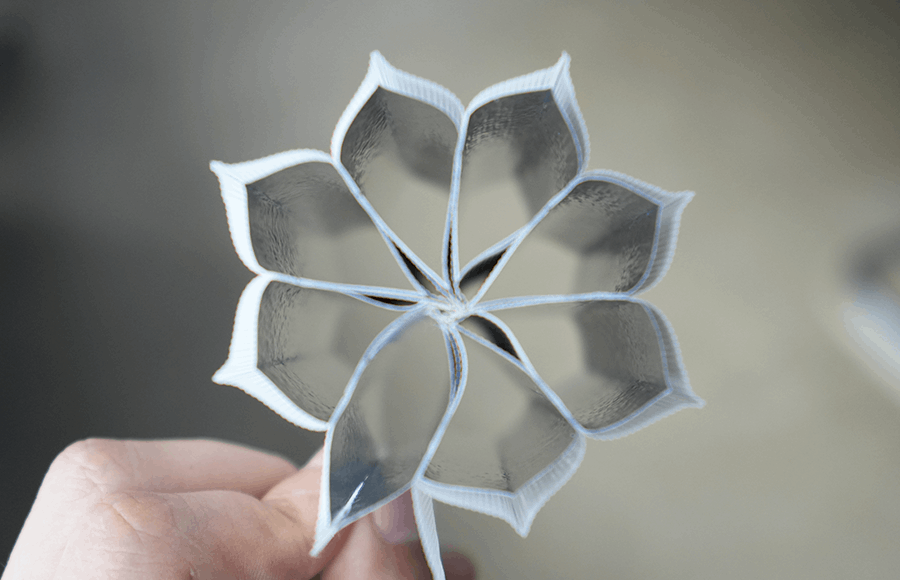
When used in honeycomb blinds, the fabric forms a series of air pockets that help reduce heat transfer through windows. This structure combines light control with thermal insulation, making blackout cellular fabrics suitable for rooms where darkness and indoor comfort are priorities.
Key Features of Blackout Cellular Fabric
Excellent light control: Blocks most light passing directly through the fabric, making it suitable for bedrooms, media rooms, and other spaces requiring a darker environment.
Enhanced privacy: Prevents clear visibility through the fabric, even when outdoor lighting conditions change.
Thermal insulation: Honeycomb air pockets help reduce heat exchange between indoor and outdoor environments.
Multiple design options: Available in different colors, cell sizes, fabric widths, and material specifications depending on the manufacturer.
Suitable for custom projects: Can be incorporated into custom Honeycomb Blinds Fabric programs for residential, commercial, and hospitality applications.
Common Applications
Blackout cellular shade fabric is commonly selected for:
Bedrooms and children's rooms
Hotels and guest rooms
Home theaters and media rooms
Conference rooms requiring reduced glare
Commercial spaces where stronger light control is needed
For manufacturers and wholesalers, Blackout Fabrics are a practical choice for product collections targeting customers who prioritize privacy and light-blocking performance.
2. What Is Light-Filtering Cellular Shade Fabric?
Light-filtering cellular shade fabric is designed to soften incoming sunlight rather than block it completely. Its material structure allows natural light to pass through while diffusing direct sunlight, creating a more comfortable indoor environment.
Compared with blackout fabrics, light-filtering materials provide a brighter atmosphere and help reduce harsh glare. They are especially suitable for spaces where natural daylight is desirable but direct sunlight needs to be controlled.
Key Features of Light-Filtering Cellular Fabric
Soft natural lighting: Diffuses sunlight to create balanced indoor illumination without completely darkening the room.
Glare reduction: Helps reduce direct sunlight and screen glare in offices and living spaces.
Daytime privacy: Depending on fabric density and lighting conditions, it can limit outside visibility while allowing daylight to enter.
Thermal performance: Honeycomb construction creates insulating air pockets that can help improve indoor temperature control.
Versatile appearance: Available in different colors, textures, transparency levels, and cell configurations.
Common Applications
Light-filtering cellular shade fabric is commonly used in:
Living rooms and family rooms
Home offices and workspaces
Kitchens and dining areas
Retail stores and commercial buildings
Rooms that require natural daylight with reduced glare
For window covering brands and distributors, light-filtering fabrics offer flexibility when developing collections for customers who prefer bright and comfortable indoor spaces.
3. Blackout vs. Light-Filtering Cellular Fabrics: Key Differences
Understanding the differences between these two fabric types helps manufacturers, wholesalers, and project buyers select the right materials for their product lines.
| Comparison | Blackout Cellular Fabric | Light-Filtering Cellular Fabric |
|---|---|---|
| Light Transmission | Blocks most incoming light through the fabric | Allows diffused natural light to enter |
| Privacy | High privacy | Varies with fabric density and lighting conditions |
| Indoor Lighting | Creates a darker environment | Maintains a brighter indoor atmosphere |
| Glare Control | Strong light blocking | Softens direct sunlight and reduces glare |
| Typical Applications | Bedrooms, hotels, media rooms | Living rooms, offices, kitchens |
| Product Positioning | Light control and privacy focused | Daylight and glare management focused |
It is important to note that blackout performance through the fabric does not necessarily mean complete room darkness. Light may still enter through gaps around the blind, depending on the installation method and window system.
4. How to Choose the Right Cellular Shade Fabric for Different Applications
The right fabric depends on the intended application, customer expectations, and the performance requirements of the finished window covering. Here are several factors to consider when selecting cellular fabrics for different projects.
4.1 Consider the Required Level of Light Control
Light control should be the first consideration. Bedrooms, hotel guest rooms, and media rooms generally benefit from blackout cellular shade fabric because these spaces require stronger light reduction. Living rooms, offices, and dining areas often work better with light-filtering materials that maintain natural daylight.
4.2 Evaluate Privacy Requirements
Privacy requirements vary according to room function and window location. Blackout fabrics provide stronger privacy throughout the day and night. Light-filtering fabrics can offer daytime privacy, but their performance depends on fabric openness, color, and the difference between indoor and outdoor lighting. For nighttime privacy, additional consideration may be necessary.
4.3 Match Fabric Colors and Textures
Color and texture influence the appearance of finished cellular shades. Neutral colors such as white, beige, and gray are commonly used in residential and commercial projects. Darker shades can create a different visual effect and may influence the perceived level of light transmission. Buyers should evaluate actual fabric samples rather than relying only on color descriptions.
4.4 Check Insulation and Energy Efficiency Requirements
One of the main advantages of cellular blinds is their honeycomb structure. The air pockets between fabric layers help reduce heat transfer through windows. When comparing fabrics, buyers should consider cell structure, material composition, fabric layers, and the complete blind construction rather than assuming that blackout fabrics always provide better insulation.
4.5 Consider Window Dimensions and Installation Requirements
Window size and blind configuration can affect fabric selection. Manufacturers should confirm available fabric widths, cell sizes, operating systems, and installation requirements before placing bulk orders. These details are particularly important for large residential developments, hotels, and commercial window covering projects.
5. Why Choose Custom Honeycomb Blinds Fabric?
Standard fabric specifications may not meet every market requirement. For window covering manufacturers, wholesalers, and project contractors, custom honeycomb blinds fabric provides more flexibility in developing products for different customer groups.
Depending on production capabilities, customized fabric solutions may include:
Custom fabric colors: Develop color options that match specific interior design trends or brand collections.
Different cell sizes: Select suitable honeycomb structures, such as 16 mm, 20 mm, 25 mm, 38 mm, or 45 mm, according to product design requirements.
Fabric width options: Choose suitable widths for different window dimensions and finished blind specifications.
Blackout and light-filtering options: Build product collections with different light transmission levels.
Special performance treatments: Explore options such as flame-retardant or waterproof treatments according to project requirements and applicable testing standards.
OEM and ODM development: Customize fabric specifications and product combinations for private-label brands and wholesale programs.
For buyers sourcing cellular fabrics in bulk, confirming customization capabilities, minimum order quantities, production lead times, and quality control procedures is essential before selecting a supplier.
6. What Should Buyers Look for in a Cellular Fabric Manufacturer?
Choosing a reliable cellular fabric manufacturer is important for maintaining consistent product quality and supporting long-term supply requirements. Before placing an order, B2B buyers should evaluate several key factors.
Fabric Quality and Consistency
Check fabric thickness, color consistency, dimensional stability, and surface quality. For repeated bulk orders, consistent specifications help manufacturers maintain the same finished product standards across different production batches.
Production Capacity and Supply Stability
Evaluate the manufacturer's production equipment, annual capacity, inventory management, and ability to handle large-volume orders. Stable production is especially important for wholesalers and window covering manufacturers serving multiple markets.
Testing and Certifications
Ask for relevant test reports and certifications based on the intended market and application. Depending on the project, requirements may include flame-retardant performance, environmental standards, and material safety documentation. Always verify that the documents apply to the specific fabric being purchased.
Customization and Technical Support
A capable supplier should provide clear fabric specifications, sample support, customization options, and technical assistance. These services help buyers develop custom cellular shades that match their target market and product positioning.
7. Frequently Asked Questions About Cellular Shade Fabric
Q1: Does blackout cellular shade fabric block 100% of sunlight?
Blackout cellular shade fabric is designed to block most light passing through the fabric itself. However, small amounts of light may still enter through the sides, top, or bottom of the installed blind. Complete room darkening depends on the fabric, blind construction, and installation system.
Q2: Is light-filtering cellular shade fabric suitable for bedrooms?
Yes, light-filtering fabric can be suitable for bedrooms where soft natural light is preferred. However, customers who need a darker sleeping environment may prefer blackout cellular fabrics.
Q3: Which cellular fabric is better for energy efficiency?
Both blackout and light-filtering cellular fabrics can provide insulation benefits because of their honeycomb construction. Actual thermal performance depends on cell structure, material layers, fabric specifications, window conditions, and installation quality.
Q4: Can cellular shade fabric be customized for wholesale orders?
Yes. Depending on the manufacturer's capabilities, wholesale buyers can request customized colors, cell sizes, fabric widths, light transmission levels, and special treatments. OEM and ODM services may also be available for custom product development.
Q5: What is the difference between cellular shade fabric and honeycomb blinds fabric?
Both terms generally refer to fabric used in cellular or honeycomb window coverings. Cellular shade fabric is a common product term, while honeycomb blinds fabric emphasizes the distinctive honeycomb structure of the material.
Blackout and light-filtering cellular fabrics serve different purposes in modern window covering applications. Blackout cellular shade fabric is suitable for projects requiring stronger light control and privacy, while light-filtering cellular shade fabric is ideal for spaces that benefit from soft natural daylight.
For window covering manufacturers, wholesalers, and distributors, offering both options can help expand product ranges and meet different market demands. By working with an experienced cellular fabric manufacturer, buyers can explore custom honeycomb blinds fabric specifications, develop differentiated product collections, and support long-term OEM and wholesale business requirements.