


 English

Purchasing wholesale Cellular Shade Fabric involves balancing material quality, production compatibility, inventory requirements, and cost. For Nordic importers, blind manufacturers, and distributors, a competitive unit price is useful only when the delivered material meets the agreed specification and can be used efficiently.
A structured sourcing process helps buyers compare Honeycomb Blinds Fabric suppliers on the same basis. It also reduces uncertainty when moving from sample approval to bulk purchasing and repeat orders.
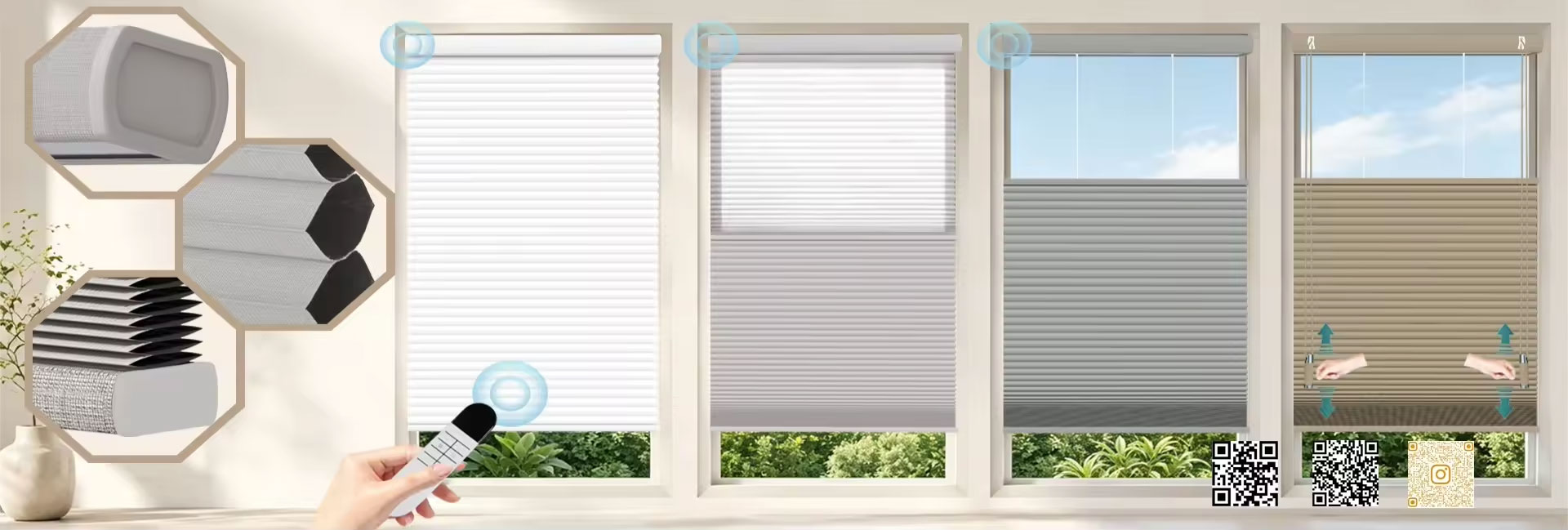
Define the Purchasing Scope Before Comparing Prices
Start by identifying the form of material your production process requires. Base material, formed cellular fabric, prepared panels, and finished blinds represent different supply scopes.
Explain which operations your factory completes and which must be performed by the supplier. Confirm whether cutting, preparation, labeling, or special packaging is included in the quotation.
Agree on the purchasing unit and measurement method. A price per length, area, or panel is meaningful only when usable dimensions and the measurement condition are clear. This is especially important for material that changes dimensions as its cells expand.
Use One Specification Sheet for Every Supplier
Sending the same requirements to each supplier makes quotations easier to compare and gives your quality team a reference for inspection.
| Specification | Information to Include |
|---|---|
| Product format | Base fabric, preformed cellular material, or prepared panels |
| Construction | Material composition, cell arrangement, and relevant layers |
| Light control | Light filtering or blackout, with defined acceptance criteria |
| Dimensions | Cell size, usable width, panel dimensions, and tolerances |
| Color | Approved reference sample and viewing conditions |
| Quantity | Initial order and estimated repeat demand by specification |
| Documentation | Technical data and evidence for any required product claims |
| Delivery | Destination, packaging, schedule, and quotation terms |
Understand the Supplier's Manufacturing Role
A Honeycomb Blinds Fabric manufacturer may control several production stages, while another supplier may coordinate processing through partner factories. Ask who performs material preparation, cellular forming, functional-layer application, cutting, and inspection.
The purpose is to establish responsibility. Buyers need to know who controls specification changes, investigates defects, and maintains batch traceability. Clear coordination matters whether the commercial partner is a factory or a trading supplier.
Clarify MOQ for Standard and Custom Materials
MOQ may apply per color, per cell construction, per width, or per total order. Ask how the supplier defines it before planning a collection.
Custom Cellular Shade Fabric may involve separate development costs or minimum quantities. Clarify color-matching charges, sample revisions, approval stages, and any differences between trial-order and repeat-order terms.
For a new Nordic distribution range, consider the inventory impact of each additional color and construction. A focused initial collection can make demand easier to evaluate before committing to a wider assortment.
Validate Samples in Your Own Production Process
Before purchasing bulk cellular shade fabric, confirm that the sample represents the intended production material. Ask whether it uses the same construction and processing route planned for your order.
Test cutting, assembly, folding, and operation with your actual blind components. Include representative finished sizes, particularly if your collection covers large windows.
Record the approved specification and retain an identified sample. Material substitutions or construction changes should be reviewed before they enter subsequent production.
Agree on Inspection Criteria Before Production
An inspection plan should address both appearance and manufacturing usability. Agree on the sampling approach, defect definitions, and reporting procedure before the order is completed.
Color variation within the order and against the approved reference.
Cell dimensions and fold alignment.
Usable width and other specified dimensions.
Bonded-area separation or irregularity.
Pinholes and layer damage in blackout constructions.
Surface marks, contamination, and crushed cells.
Correct quantities, product codes, and batch identification.
Establish how rejected material will be documented and resolved. A clear process for replacements, credits, or corrective action is more useful than a general promise of good quality.
Compare the Cost of Usable Material
The lowest quoted price may not produce the lowest manufacturing cost. Narrow usable width, excessive cutting waste, inconsistent material, or damaged packaging can reduce the value of a shipment.
Compare suppliers using the same purchasing unit and delivery basis. Consider material cost, transportation, handling, inspection, and expected production yield when calculating cost per finished blind.
For example, if one specification fits your cutting layout more efficiently, it may reduce waste even if its quoted material price is higher. Use your actual production layout to assess this difference.
Plan Packaging and Repeat Orders
Packaging should protect the supplied material from crushing, bending, contamination, and inappropriate packing pressure. Ask for packing details and any storage or unpacking instructions relevant to maintaining cell shape.
Separate sample-development time, production lead time, dispatch timing, and transportation time when planning deliveries. Confirm how the supplier communicates discontinued colors, construction changes, or temporary availability issues.
For ongoing honeycomb blinds fabric wholesale purchasing, keep a record of specifications, approved samples, batches, and inspection results. This supports more consistent repeat orders and faster investigation when a problem occurs.
Frequently Asked Questions
What information is needed for an accurate wholesale quotation?
Provide the supply format, construction, dimensions, light-control category, colors, quantity per specification, documentation requirements, and delivery destination.
Should a new supplier be tested with a trial order?
A trial order can help verify assembly compatibility, batch consistency, packaging, and communication before purchasing larger quantities.
How can buyers improve repeat-order consistency?
Use written specifications, retained reference samples, batch identification, agreed tolerances, and advance review of material changes.
Request a Quotation for Your Next Order
Preparing a wholesale or OEM fabric purchase? Send your cellular shade fabric specifications, quantities per color, sample requirements, and delivery destination to discuss material options and quotation details.