


 English

When purchasing cellular shades fabric for window covering production, wholesale distribution, hotel projects, or commercial applications, the fabric cost is only one part of the overall purchasing decision. Material composition, fabric specifications, cell size, light control, customization, order volume, and production requirements can all affect the final cost.
For B2B buyers, understanding these factors can make it easier to compare suppliers, control purchasing costs, and select a cellular shades fabric that meets both project requirements and target budgets.
1. Material Composition
The material used to manufacture cellular shades fabric is one of the main factors affecting its cost. Different material combinations can provide different levels of durability, light control, insulation, color stability, and overall performance.
Common options include polyester-based fabrics and other customized textile constructions developed for specific cellular shade applications. Buyers should consider not only the material itself but also the required performance and processing requirements.
For example, a fabric designed for blackout applications may require additional treatment or a specific construction compared with a standard Light-Filtering Fabric. Therefore, two fabrics with similar appearances may have different production costs.
2. Fabric Specifications
Cellular shades fabric is available in different specifications to meet different window covering designs and market requirements. Important specifications can include fabric width, weight, thickness, cell structure, color, and light transmission.
Depending on the application, buyers may need different fabric specifications for residential shades, commercial window coverings, hotels, offices, or large architectural projects.
| Specification | Why It Matters |
|---|---|
| Fabric Width | Affects cutting efficiency and suitability for different shade sizes. |
| Fabric Weight | Can influence shade structure, handling, and overall material consumption. |
| Fabric Thickness | Can affect insulation, light control, and shade construction. |
| Cell Size | Influences appearance, insulation performance, and product design. |
| Light Transmission | Determines whether the fabric is suitable for light-filtering or blackout shades. |
3. Cell Size and Aperture
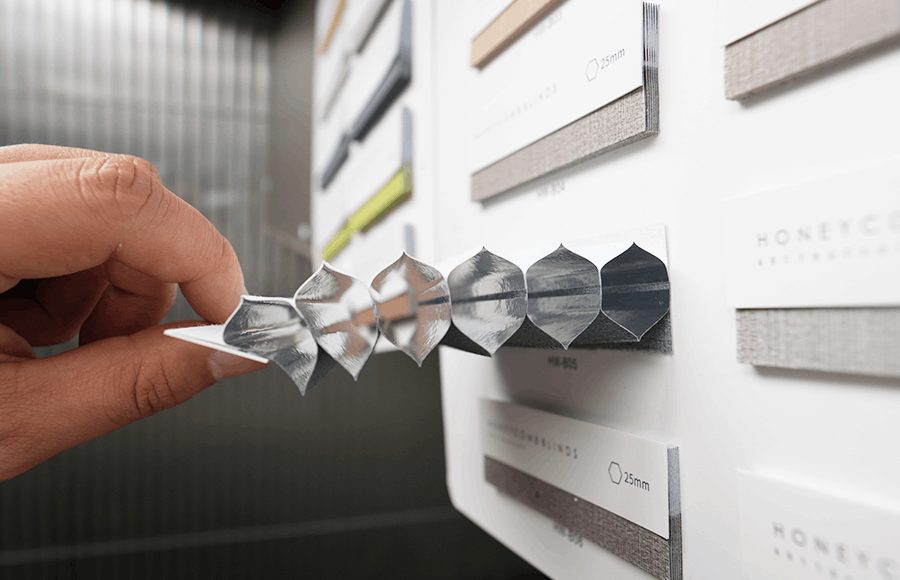
Cell size and aperture are important specifications when selecting cellular shades fabric. The cell structure creates air pockets that can contribute to thermal insulation while also giving the shade its distinctive appearance.
Different markets may require different cell dimensions. Smaller cells can provide a more compact appearance, while larger cell structures may be selected when buyers place greater emphasis on insulation performance or a specific visual design.
The aperture or opening size of the fabric structure can also affect the appearance and functional characteristics of the finished cellular shade. For OEM and ODM orders, buyers can discuss the required cell structure, aperture, fabric construction, and finished shade dimensions with the manufacturer before production.
4. Light-Filtering or Blackout Requirements
Light control is another factor that can influence cellular shades fabric cost. Standard light-filtering fabrics and Blackout Fabrics may use different constructions or processing methods.
Light-filtering cellular shades fabric is commonly selected for living spaces, offices, and areas where natural daylight is desirable. Blackout fabric is more suitable for bedrooms, hotels, conference rooms, media rooms, and other applications requiring stronger light control.
For hotel and commercial projects, buyers should confirm the required level of privacy and light control before requesting a quotation. Choosing the correct fabric specification at the beginning can help avoid unnecessary changes during production.
5. Color and Fabric Customization
Customization can also affect the cost of cellular shades fabric. Standard colors and existing fabric specifications are generally easier to produce than fully customized fabrics.
Depending on the supplier's production capabilities, customization may include:
Custom fabric colors
Custom fabric specifications
Different cell sizes
Different aperture structures
Light-filtering or blackout options
Custom packaging
OEM branding requirements
ODM product development
For window covering brands and wholesalers, using customized cellular shades fabric can help create a differentiated product range instead of competing only on standard products.
6. Order Quantity and Bulk Supply
For B2B buyers, order quantity can have a significant influence on the unit cost of cellular shades fabric. Large-volume orders allow manufacturers to better organize raw materials, production schedules, color matching, inspection, and packaging.
When purchasing for wholesale distribution or a long-term product line, buyers should discuss expected annual demand with the manufacturer instead of focusing only on the price of a single small order.
A professional cellular shades fabric manufacturer can help buyers evaluate the most suitable production quantity, standardize specifications, and arrange repeat orders based on actual market demand.
7. OEM and ODM Requirements
OEM and ODM requirements can affect the overall cost because customized products may require additional development, sampling, testing, tooling, or production preparation.
For example, a window covering brand may require a specific fabric color, cell structure, aperture, packaging method, or product specification. An experienced manufacturer can evaluate these requirements and provide a production solution according to the buyer's target market.
Instead of simply asking for the lowest unit price, B2B buyers should consider the complete supply capability of the manufacturer, including sampling, customization, quality control, production capacity, and repeat-order support.
8. Application and Project Requirements
The intended application should also be considered when calculating the cost of cellular shades fabric.
Residential products may focus on appearance, color selection, light control, and energy efficiency. Hotel projects may require consistent colors across hundreds of rooms, stable quality, and reliable delivery schedules. Commercial and engineering projects may have specific requirements for fabric specifications, dimensions, performance, and documentation.
For large projects, a slightly higher fabric cost may be worthwhile if it provides better consistency, customization, quality control, and supply stability throughout the project.
9. Why Work with a Cellular Shades Fabric Manufacturer?
Buying directly from a cellular shades fabric manufacturer can give B2B buyers better control over specifications, customization, quality, and supply schedules.
As a professional cellular shades fabric supplier and manufacturer, we support customers looking for stable bulk supply as well as customized window covering solutions. Our production capabilities allow us to work with wholesalers, window covering brands, distributors, hotel suppliers, contractors, and engineering project buyers.
Our manufacturing support can include:
Stable bulk production for wholesale orders
OEM and ODM customization
Multiple fabric specifications and cell structures
Custom colors and fabric requirements
Sample development before bulk production
Consistent quality for repeat orders
Support for hotel and commercial projects
Flexible production solutions for different markets
For buyers comparing suppliers, these capabilities can be just as important as the initial fabric quotation.
10. How to Control Cellular Shades Fabric Purchasing Costs?
To control purchasing costs without sacrificing product quality, B2B buyers can start by clearly defining the required fabric specifications.
Confirm the required material and fabric construction.
Determine the appropriate cell size and aperture.
Choose between light-filtering and blackout requirements.
Confirm fabric width, thickness, weight, and color requirements.
Estimate the expected order quantity and annual demand.
Discuss OEM or ODM requirements with the manufacturer.
Request samples before placing a large order.
Compare total supply capability rather than unit price alone.
This approach helps buyers avoid paying for specifications they do not need while ensuring that the selected fabric can meet the requirements of the finished cellular shades.
Conclusion
The cost of cellular shades fabric is influenced by much more than the raw material. Material composition, fabric specifications, cell size, aperture, light control, color customization, order volume, OEM/ODM requirements, and project applications can all affect the final purchasing cost.
For wholesalers, window covering manufacturers, hotel suppliers, and engineering project buyers, working with a capable manufacturer can provide better control over both product specifications and long-term supply.
If you are sourcing cellular shades fabric for wholesale, OEM/ODM production, hotel projects, or commercial applications, contact us to discuss your required specifications and bulk supply needs.