


 English

Choosing the right material is an important part of selecting honeycomb blinds. The material affects the blinds' appearance, light control, insulation, durability, and suitability for different environments.
There is no single material that is best for every project. The right Honeycomb Blinds Material depends on the application, performance requirements, design preferences, and manufacturing specifications.
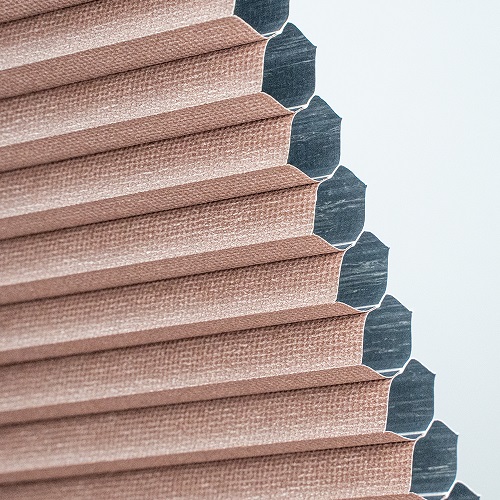
What Materials Are Used for Honeycomb Blinds?
Honeycomb blinds are commonly manufactured using specialized cellular fabrics designed to create air pockets within the cellular structure. Different fabric constructions can provide different levels of light filtering, insulation, appearance, and durability.
Common honeycomb blinds material options include nonWoven Fabric and woven fabric, with additional treatments available for specific applications.
Nonwoven vs Woven Honeycomb Blinds Material
Nonwoven and woven fabrics can both be used for honeycomb blinds, but they offer different characteristics.
| Material | Key Characteristics | Typical Applications |
|---|---|---|
| Nonwoven | Lightweight, consistent structure, suitable for different cellular constructions | Residential and commercial window coverings |
| Woven | Textile-like appearance and flexible design options | Decorative and premium window covering applications |
Why Is Honeycomb Blinds Material Important?
The material is not simply an aesthetic choice. It can influence how the finished blinds perform in everyday use.
Thermal Insulation
The cellular structure of honeycomb blinds creates air pockets that can help reduce heat transfer through windows. The fabric construction and cell design can further influence the overall insulating performance.
Light Control
Different fabrics can provide different levels of light filtering and privacy. Depending on the project, buyers may select materials designed for softer daylight, stronger light blocking, or specific privacy requirements.
Appearance
The material affects the visual texture and overall appearance of the finished blind. Woven and nonwoven fabrics can provide different surface effects, making material selection important for interior design projects.
Durability
For commercial and high-use applications, material durability is an important consideration. The fabric should be selected according to the expected operating conditions and frequency of use.
What Is the Best Honeycomb Blinds Material for Different Applications?
The best material depends on the requirements of the project.
Residential windows: Consider appearance, privacy, light control, and thermal performance.
Commercial buildings: Focus on durability, consistent quality, energy efficiency, and project specifications.
High-humidity environments: Consider materials and treatments suitable for the expected environmental conditions.
Projects requiring additional protection: Waterproof or flame-retardant treatments may be considered according to application requirements.
Custom window covering projects: Material, cell size, color, finish, and other specifications can be selected according to project requirements.
Does Honeycomb Size Affect Material Performance?
Yes. Material selection and cellular structure should be considered together. Honeycomb blinds can be produced in different cell sizes, such as 16mm, 20mm, 25mm, 38mm, and 45mm, depending on the product design and application.
Different cell sizes can create different visual effects and performance characteristics. Therefore, buyers should consider both the honeycomb blinds material and cell structure when developing a window covering product.
Can Honeycomb Blinds Material Be Customized?
For manufacturers and wholesalers, customization is often an important consideration. Depending on the supplier, customization may include fabric construction, cell size, color, finish, width, and functional treatments.
Options such as waterproof and flame-retardant finishes can be developed for projects with specific performance requirements.
How to Choose the Best Honeycomb Blinds Material?
Instead of choosing a material based only on appearance, buyers should evaluate the complete application.
Required insulation performance
Light control and privacy requirements
Indoor environmental conditions
Cell size and product structure
Fabric appearance and texture
Durability requirements
Waterproof or flame-retardant requirements
Customization and bulk order requirements
There is no universal answer to the question of what is the best material for honeycomb blinds. Nonwoven and woven fabrics can both be suitable depending on the intended application and required performance.
For manufacturers, wholesalers, and window covering professionals, choosing the right honeycomb blinds material means balancing appearance, insulation, light control, durability, cell structure, and customization requirements.